Professional Plumbing Camera Inspection Services in Miami | Licensed Plumbers
Stop guessing about hidden pipe problems. Our licensed Miami plumbers use advanced HD plumbing camera inspection to pinpoint clogs, leaks, cracks, root intrusion, and pipe damage with pinpoint accuracy. We provide real-time video and detailed reports so you see exactly what's wrong before any repair begins. Serving Miami, Brickell, Coral Gables, Miami Beach, and all Miami-Dade County with same-day camera inspection services.
Save time and money with accurate diagnostics—no unnecessary digging or wall damage. Schedule your sewer camera inspection today and get to the root of your plumbing problems!
What Is Plumbing Camera Inspection?
Plumbing camera inspection is a non-invasive diagnostic technique that uses specialized video cameras to visually examine the interior of pipes, drains, and sewer lines without excavation or demolition. This advanced technology allows our licensed plumbers to identify hidden problems, assess pipe condition, and locate exact problem areas with precision—saving you time, money, and unnecessary property damage.
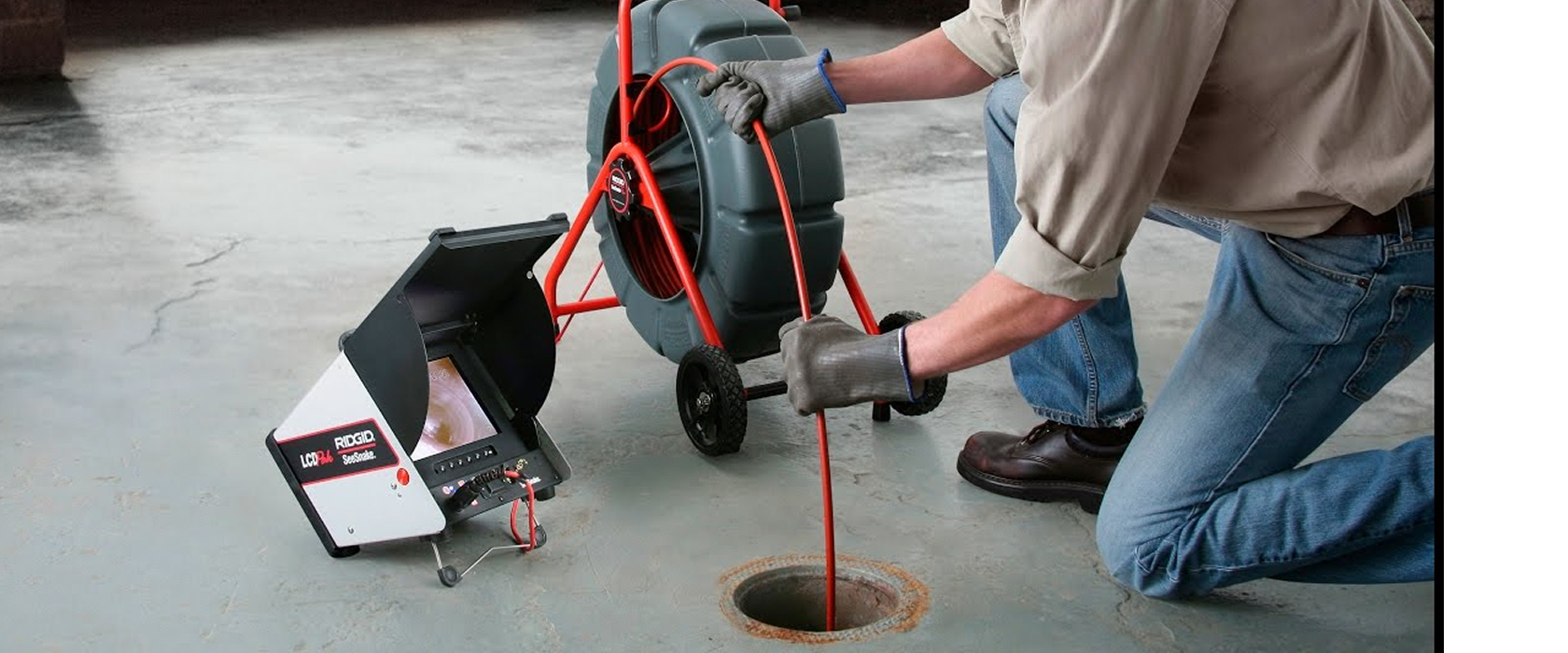
Sewer and drain inspection cameras consist of a high-resolution video camera head mounted on a flexible, waterproof cable that can navigate through pipes ranging from 2 inches to 12 inches in diameter.
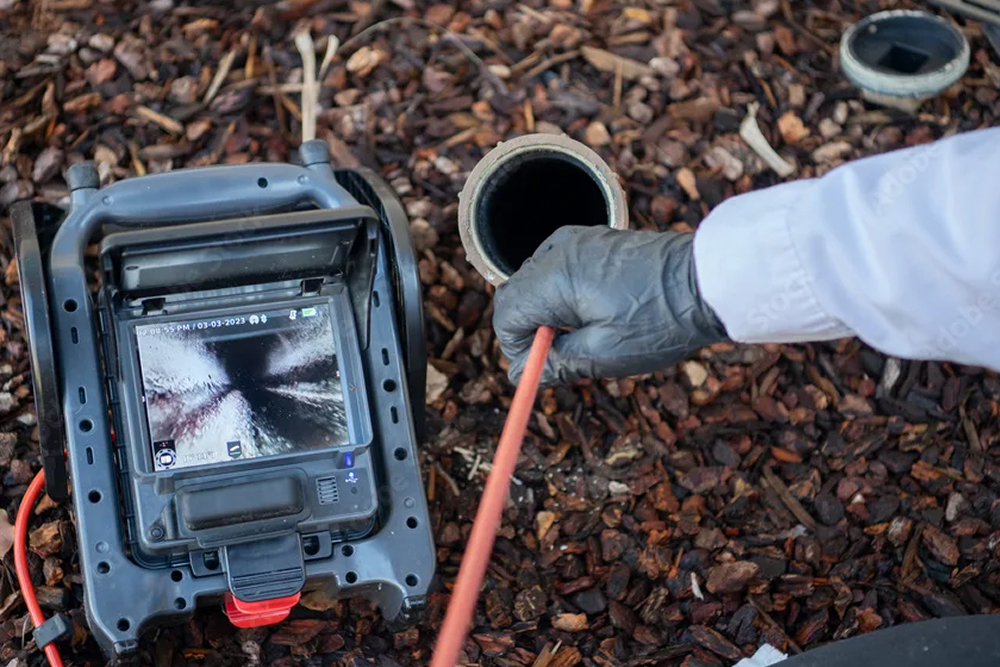
The camera is inserted through an existing access point such as a cleanout, toilet, or drain opening, then slowly fed through the pipe while transmitting live video to a monitor. Our technicians control the camera's movement, adjust lighting, and pan/tilt the camera head to examine pipe walls, joints, and connections from multiple angles. The footage reveals the exact location, nature, and severity of any problems inside your plumbing system.
Our Advanced Camera Technology
We use state-of-the-art inspection equipment featuring 4K HD resolution cameras with LED lighting arrays that illuminate even the darkest pipe interiors. Our camera systems include self-leveling heads that maintain proper orientation regardless of pipe slope, ensuring you always see the correct pipe position (12 o'clock is always up). The flexible push cables range from 50 to 300 feet in length, allowing us to inspect main sewer lines from your house to the street. All our cameras are waterproof to 100 PSI and designed to navigate bends, junctions, and obstacles while providing crystal-clear video for accurate diagnosis.
Beyond visual inspection, our camera systems include built-in sonde transmitters that emit radio signals detectable by a handheld locator device above ground. This allows us to pinpoint the exact depth and location of problems—marking them on your lawn, driveway, or foundation with spray paint so excavation crews dig in precisely the right spot. You can watch the inspection live on our tablet monitor, pause footage to examine specific areas, and receive a digital copy of the complete video report for your records or insurance documentation.
Common Pipe Problems We Detect
Miami's unique soil conditions, aging infrastructure, and tropical climate create specific plumbing challenges that camera inspection can identify before they cause major damage. Our experienced technicians recognize the signs of common pipe problems and provide accurate assessments of severity and recommended solutions.
Tree Root Intrusion
Tree roots seek out moisture and nutrients, making sewer pipes a prime target—especially in older Miami neighborhoods like Coral Gables, Coconut Grove, and Pinecrest where mature trees abound. Roots enter through tiny cracks or loose joints, then grow and expand inside pipes, creating dense root masses that block flow and eventually crush pipes. Camera inspection reveals root entry points, extent of invasion, and pipe damage, allowing targeted hydro-jetting or trenchless repair without unnecessary excavation.
Pipe Cracks & Breaks
Cracks and breaks in sewer pipes develop from ground shifting, soil settling, heavy vehicle traffic, or natural aging of materials. In Miami's sandy soil, pipes can shift and separate over time, creating gaps that allow wastewater to leak out and groundwater to seep in. Camera inspection identifies crack locations, severity (hairline vs. complete separation), and whether surrounding soil has entered the pipe. Early detection prevents catastrophic failure, sinkhole formation, and expensive foundation damage.
Pipe Collapse & Bellied Sections
Over time, pipes can sag in the middle (creating a ""belly"") or collapse completely due to soil pressure, corrosion, or structural failure. Bellied sections cause water to pool and debris to accumulate, leading to chronic clogs and slow drainage. Complete collapses block flow entirely and require immediate attention. Camera inspection measures the extent of sagging or collapse, determines if the pipe can be relined or requires replacement, and locates the exact problem area for efficient repair.
Grease & Debris Blockages
Kitchen grease, soap scum, hair, and other debris accumulate on pipe walls over years, gradually reducing diameter and restricting flow. In restaurants and multi-family buildings, grease buildup is especially problematic, hardening into solid masses that resist conventional drain cleaning. Camera inspection reveals the location and thickness of buildup, determines if hydro-jetting will resolve the issue, and identifies any underlying pipe damage that contributed to the blockage.
Pipe Offsets & Misalignments
Pipe sections can become misaligned or offset due to ground movement, poor original installation, or settling foundations—common in older Miami homes built on unstable soil. These offsets create ledges where debris catches and clogs form repeatedly. Camera inspection measures the degree of offset, assesses whether it's worsening over time, and determines if spot repair or complete replacement is needed to restore proper flow and prevent future problems.
Corrosion & Scale Buildup
Metal pipes corrode over time, especially in Miami's humid environment and aggressive soil conditions. Cast iron pipes develop internal rust and scale that flake off, reducing diameter and causing blockages. Clay and concrete pipes deteriorate from acidic soil and root acids. Camera inspection evaluates remaining pipe wall thickness, identifies weak sections at risk of failure, and documents the overall condition to help you plan for proactive replacement before emergency situations occur.
Benefits of Camera Inspection vs. Guesswork
Traditional plumbing diagnosis often relies on symptoms and experience, leading to educated guesses about hidden problems. Camera inspection eliminates uncertainty with visual proof, providing significant advantages over conventional troubleshooting methods.
Pinpoint Accuracy Saves Time & Money
Without camera inspection, plumbers may clear a clog but miss the underlying cause—leading to repeat service calls and escalating costs. Camera inspection identifies the root cause on the first visit, allowing targeted repairs that solve the problem permanently. Knowing exactly where and what to fix eliminates unnecessary work, reduces labor hours, and prevents wasted materials—saving you hundreds or thousands of dollars compared to trial-and-error approaches.
No Unnecessary Digging or Wall Damage
Before camera technology, finding underground pipe problems required extensive excavation or destructive wall removal—often digging up entire yards or tearing out bathroom walls only to discover the problem was elsewhere. Camera inspection locates problems precisely, allowing surgical repairs through small access holes instead of massive trenches. This preserves your landscaping, hardscaping, and home finishes while reducing restoration costs and project timelines.
Comprehensive Documentation for Insurance
Insurance claims for sewer backups, water damage, or pipe failures require documentation proving the cause and extent of damage. Our video inspection reports provide irrefutable evidence of pre-existing conditions, sudden failures, or third-party damage (like tree roots or construction). This documentation supports your insurance claims, helps determine coverage responsibility, and provides baseline records for future reference if problems recur.
Prevent Future Problems with Baseline Inspection
Even if you're not currently experiencing problems, camera inspection of older homes (especially those built before 1980) can identify developing issues before they cause emergencies. Cracks beginning to form, minor root intrusions, or early corrosion can be addressed proactively with less invasive, less expensive repairs. We recommend baseline inspections for homes over 25 years old, properties being purchased, or before major renovations that could affect plumbing access.