H2Osolutions FL I Plumbing Services | Best Miami Plumber
 +1 (786) 627-94-72
H2Osolutions FL I Plumbing Services | Best Miami Plumber
+1 (786) 627-94-72
Expert Tips, DIY Guides, and Professional Advice for Homeowners

Learn how to install a water softener system step by step — including how to plumb a water softener, set up a water softener loop, and install it in a pre-plumbed house. Everything you need for a proper water softener installation.
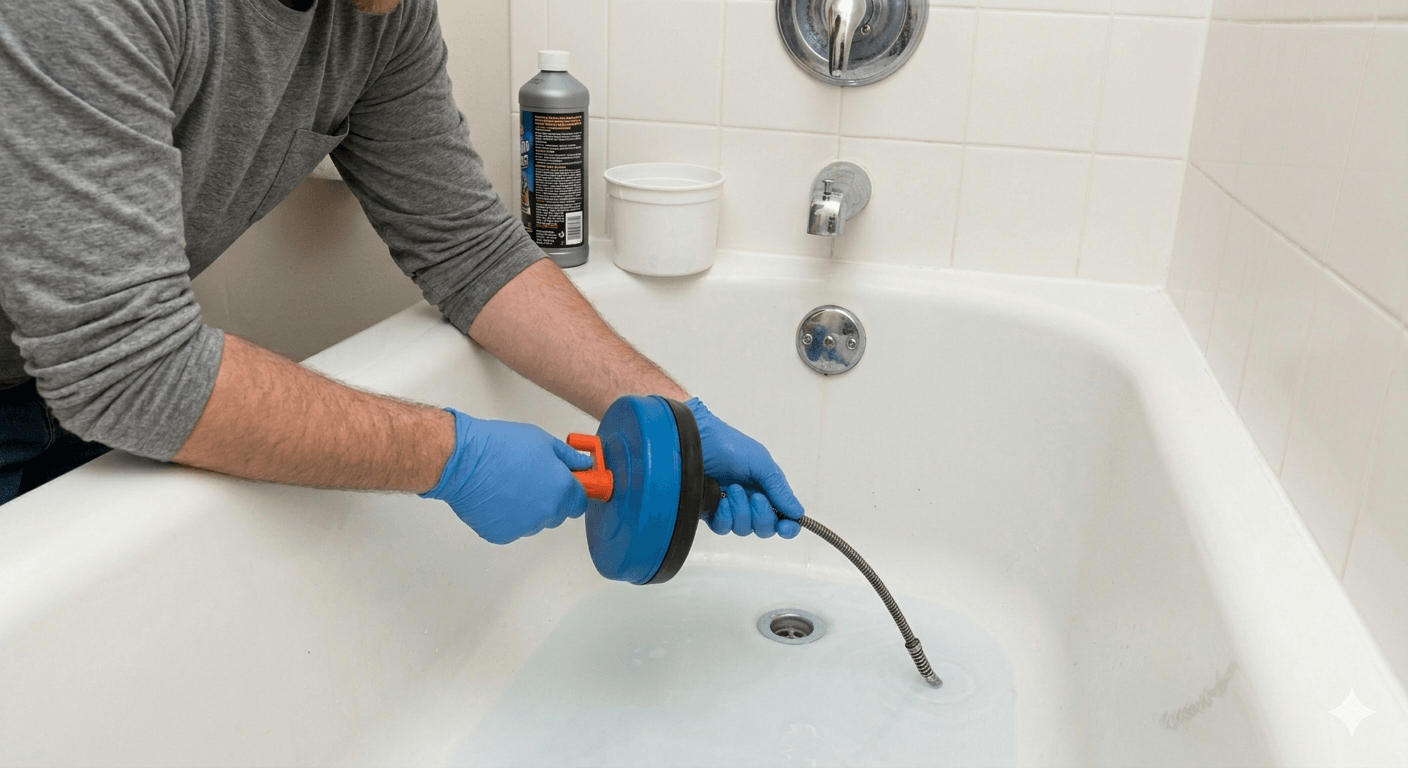
Is your bathtub drain clogged? Learn how to unclog a bathtub drain fast — from simple DIY fixes to when it's time to call a pro. Works for any tub or shower drain.
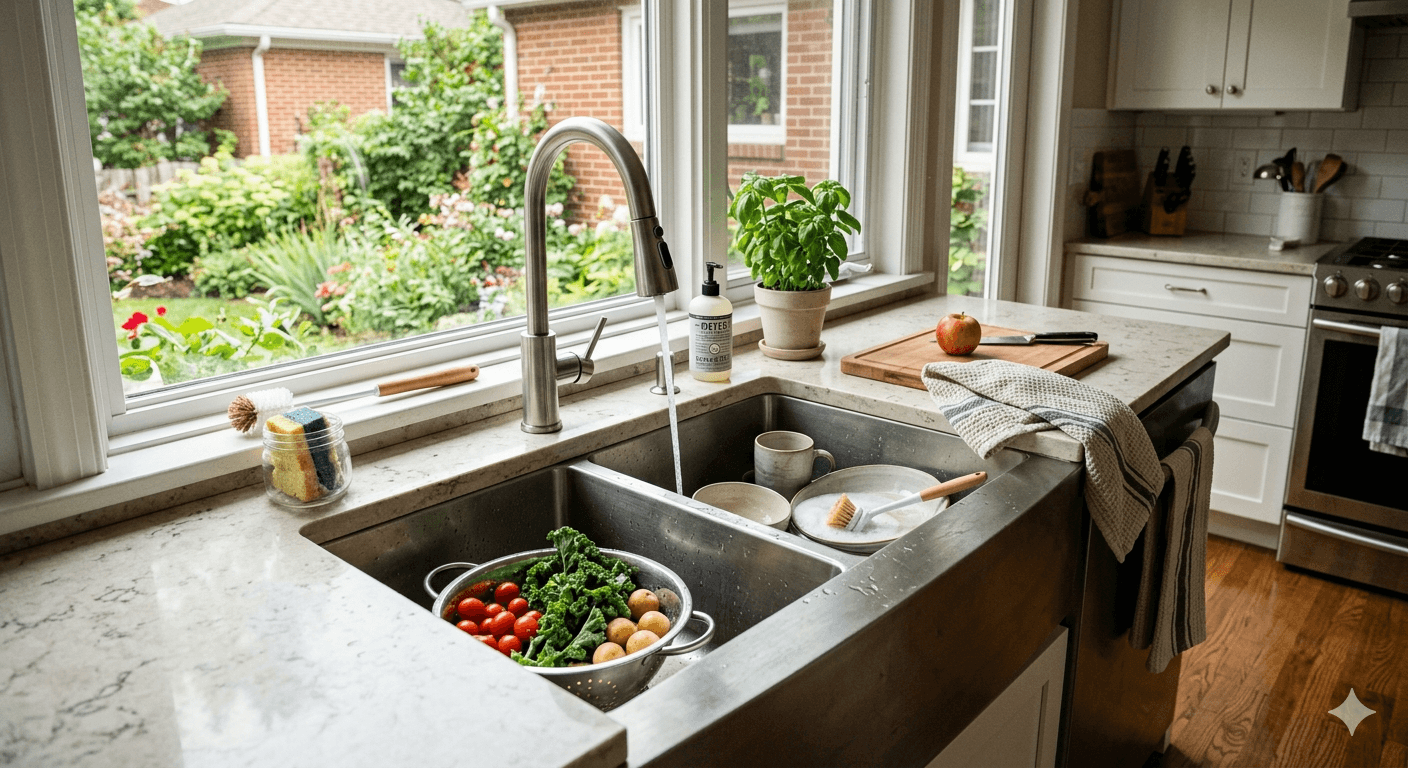
Confused about kitchen sink drain size? Learn the standard sink drain pipe sizes, how to measure your kitchen sink drain correctly, and what size drain pipe fits your sink — no guesswork required.
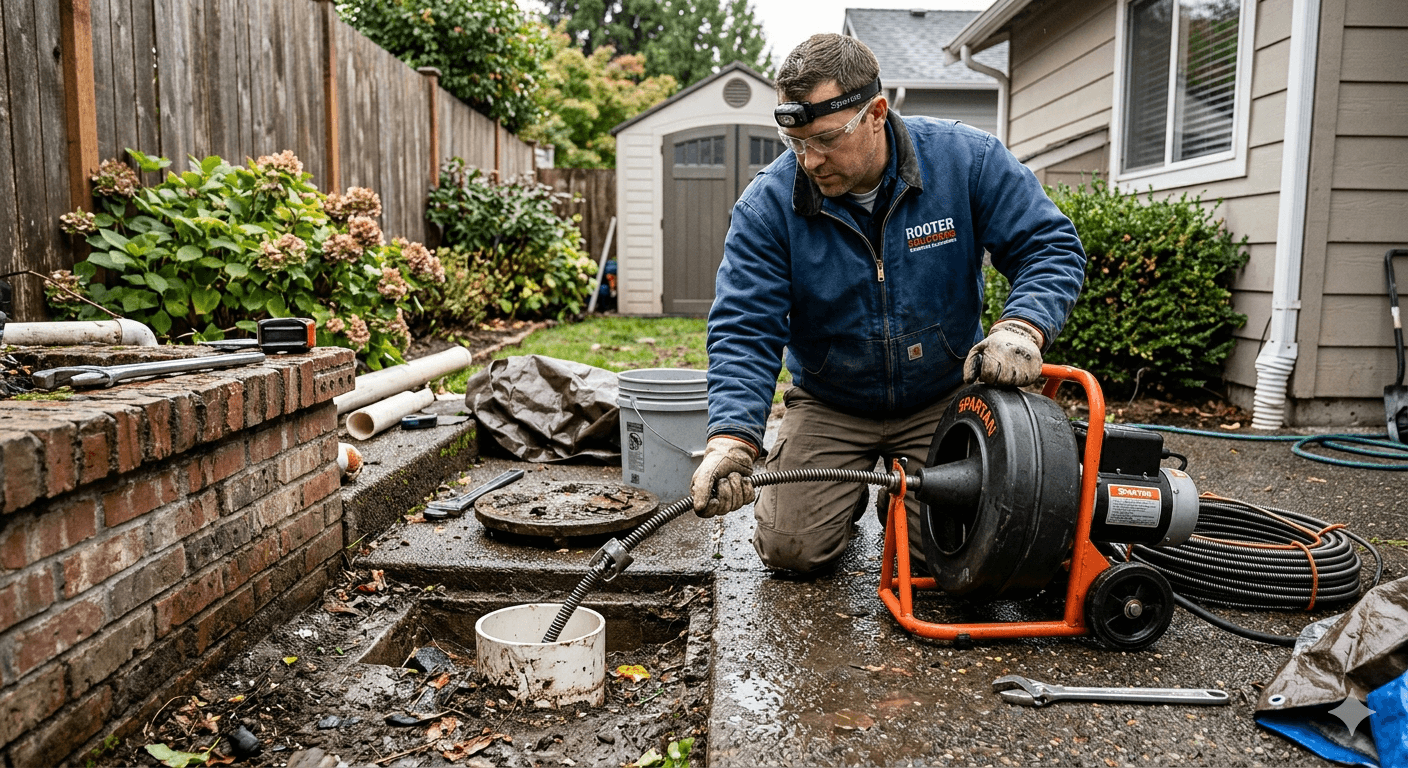
Sewer Line Blockage: Engineering a Solution for Main Line Failure
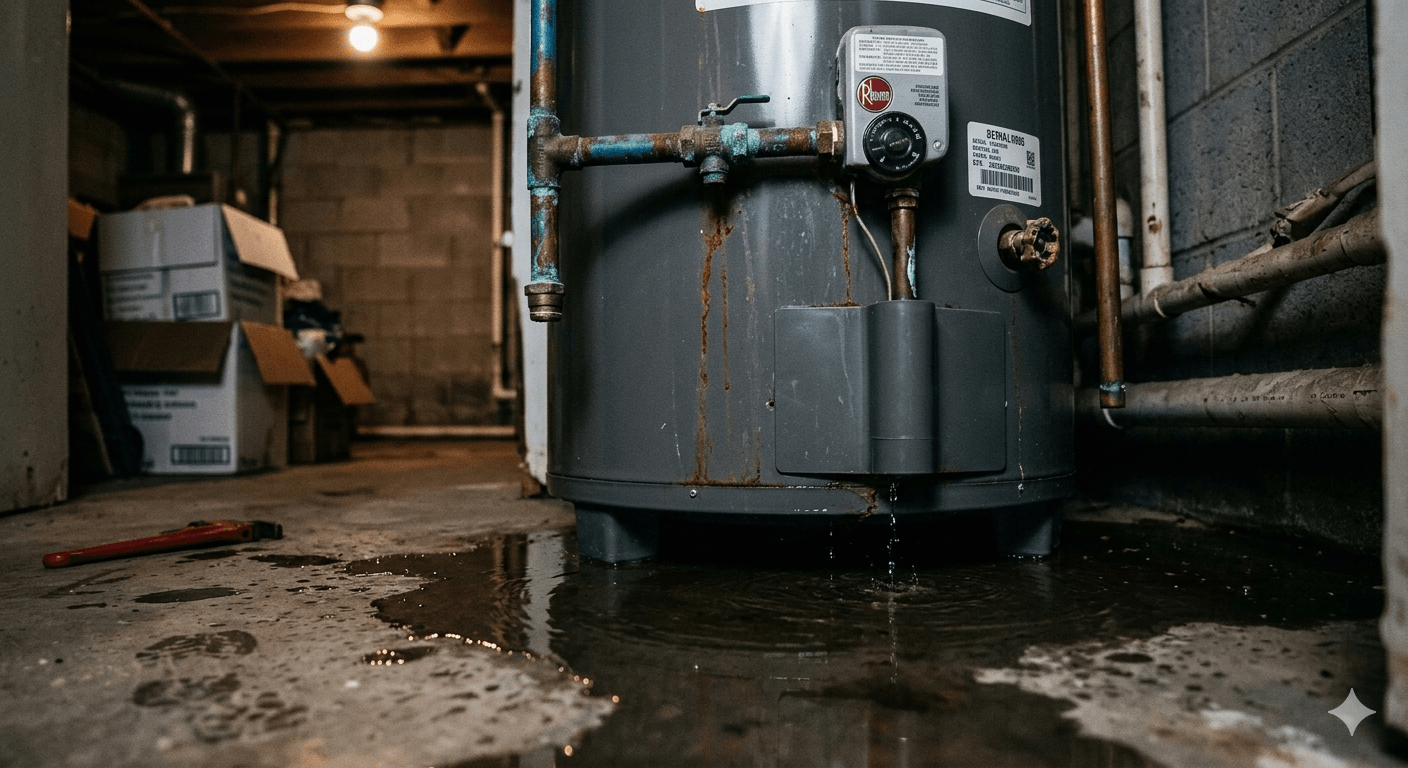
Finding a pool of water beneath a heater isn't just a maintenance headache—it is a system signal that the structural integrity of the home’s plumbing is under threat. Our team views a water heater as a pressurized vessel: a steel tank engineered to withstand constant stress. When it leaks, the "why" is often more critical than the "where." Before we dive into the hydraulics, the environment must be stabilized. There are exactly 60 seconds to prevent a minor component failure from becoming a catastrophic insurance claim.
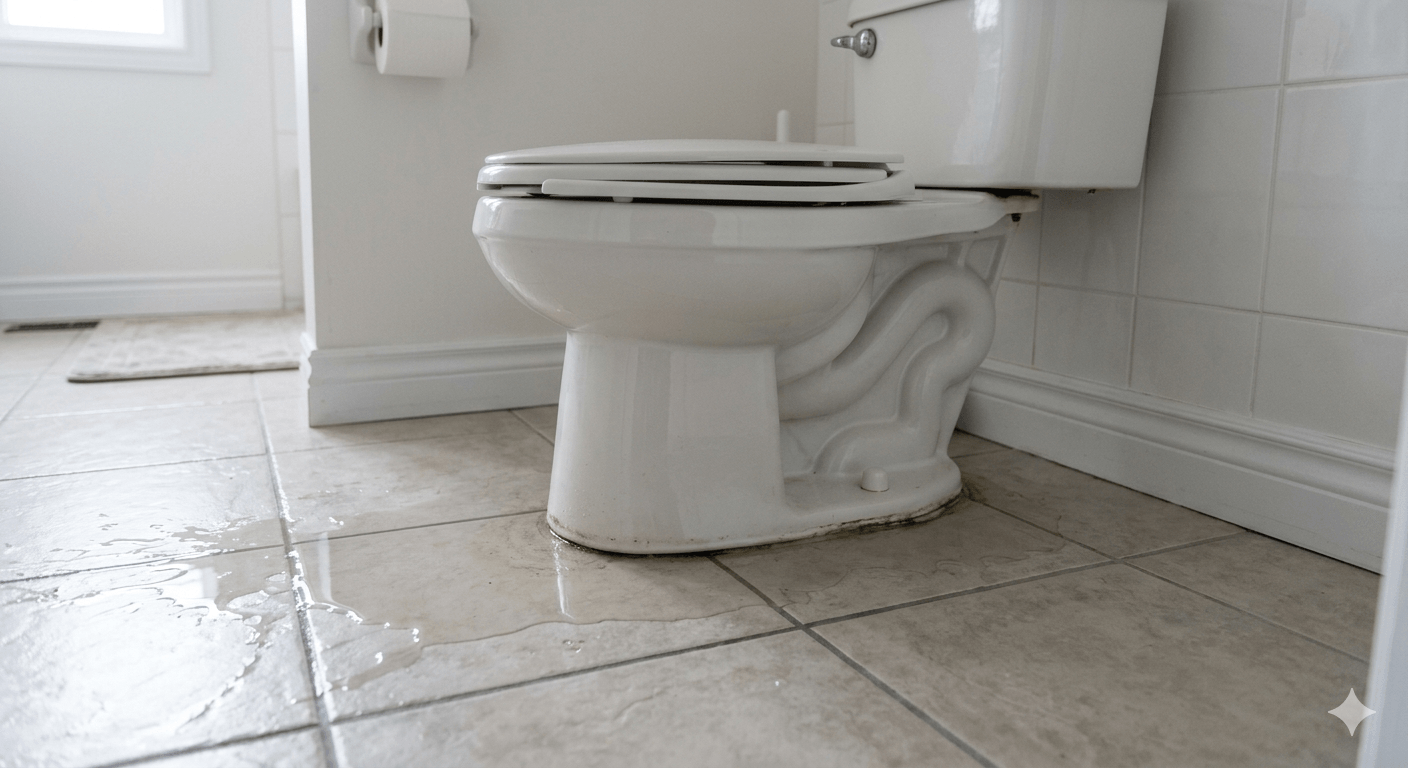
A puddle at the base of your toilet is more than a cleaning chore; it is a critical signal that the hydraulic seal — the gastight and watertight connection between your fixture and the waste line — has been compromised. Before reaching for a wrench, we must diagnose the failure point to determine if this is a 15-minute calibration or a full-scale system restoration.
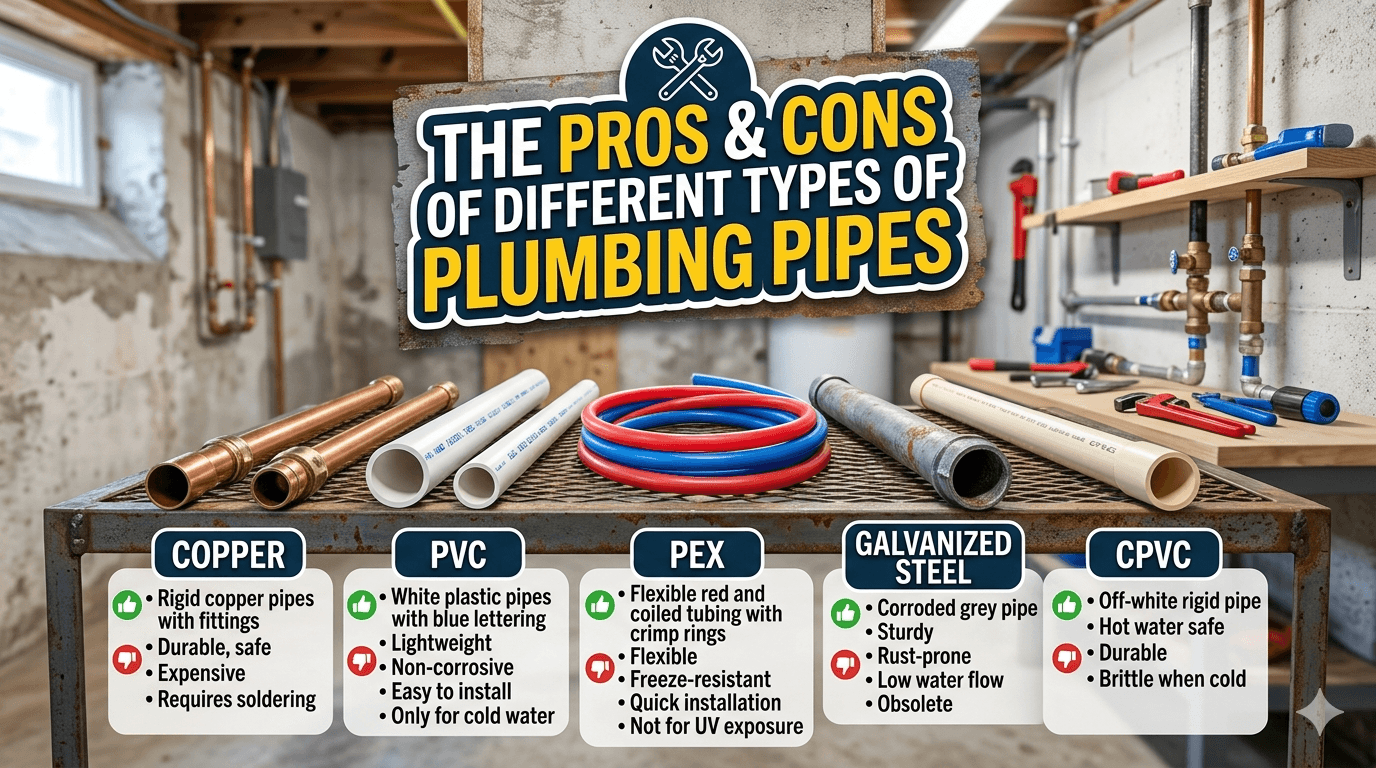
In twelve years of designing hydraulic systems across South Florida, our team has observed a recurring pattern: homeowners often select piping based on today’s installation quote rather than the projected failure point a decade from now. Whether you own a 1960s ranch in Fort Lauderdale or a contemporary build in Miami-Dade, your plumbing is an engineered infrastructure. When a pipe bursts, it is rarely "bad luck"—it is the predictable conclusion of material fatigue, aggressive water chemistry, and installation errors.
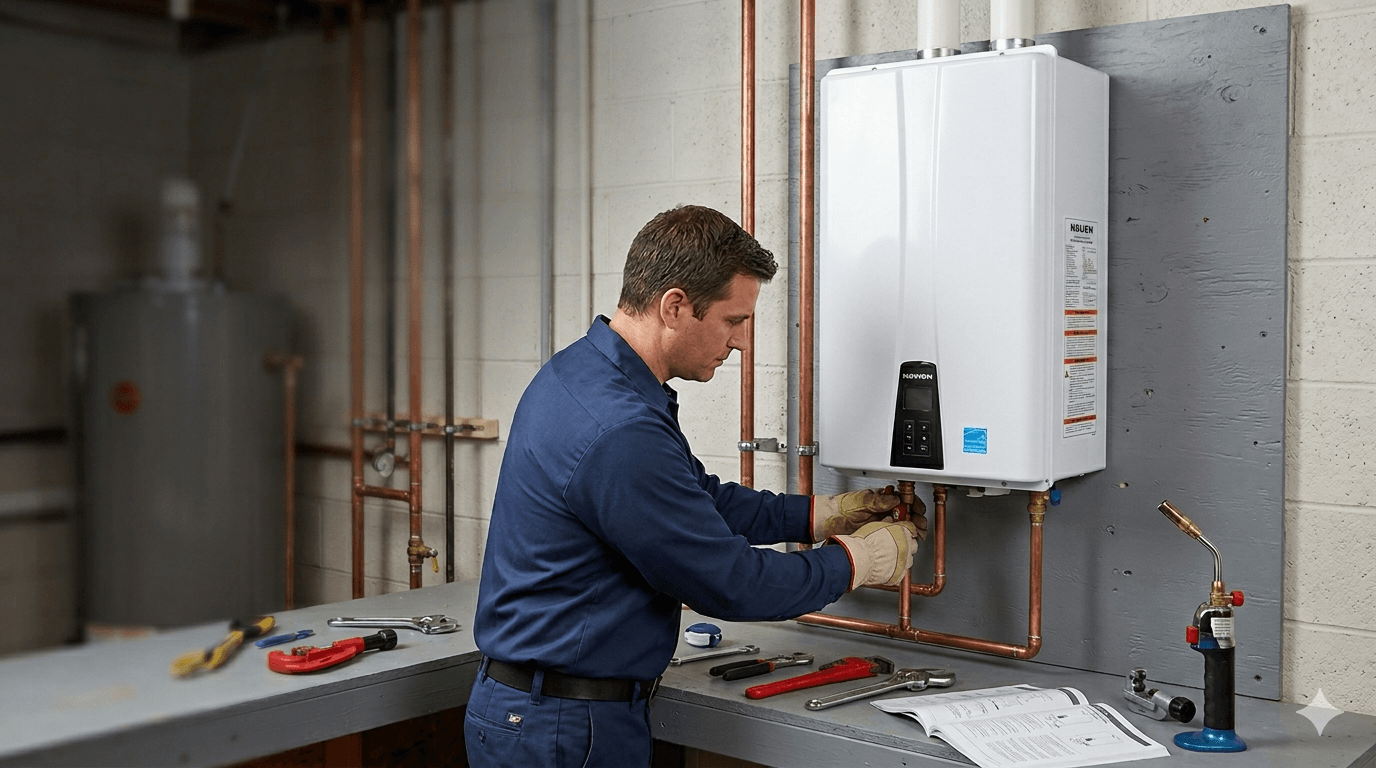
Whether we are assessing a 1970s ranch in Fort Lauderdale or a contemporary build in Miami-Dade, the distinction between a "Simple Swap" and a "Full Retrofit" determines the project’s success. A swap is a component replacement; a retrofit is a complete system re-engineering.

When a foul odor emanates from your sink, it is rarely just a "dirty drain." From a systems design perspective, an odor is a diagnostic signal that your DWV (drain, waste, and vent) system has suffered a functional breach. Whether it is a failure of the liquid seal or the accumulation of organic biofilm, the solution requires more than a scented spray—it requires restoring the hydraulic integrity of the system.